


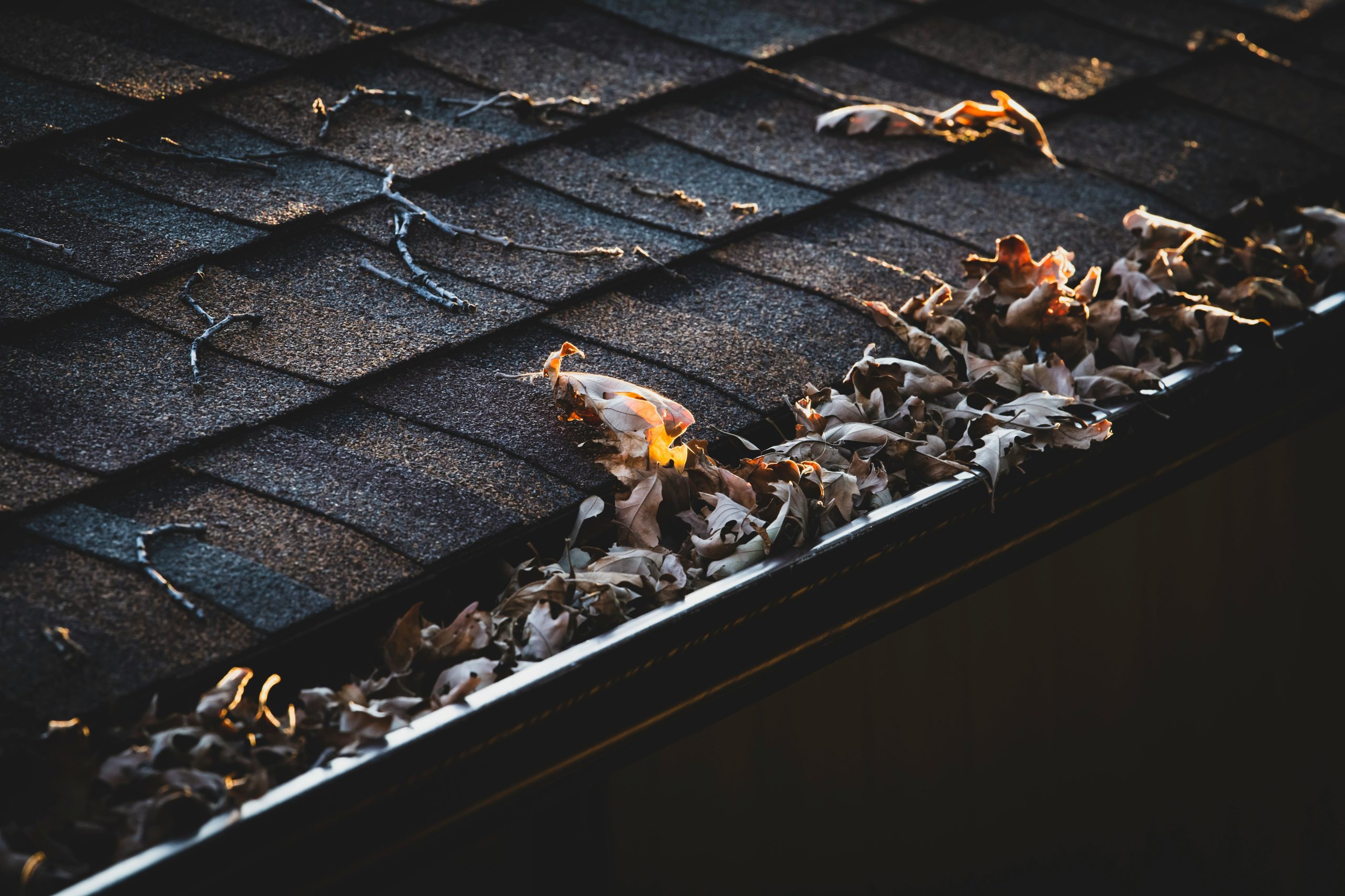
Five practical ways to prepare your home for colder weather, prevent avoidable repairs, and head into winter with confidence.
November in San Antonio can bring everything from warm afternoons to the first hard freeze. That makes it a good time to take care of a few maintenance items before colder weather arrives.
A little preparation now can help protect your plumbing, keep moisture out of your home, and catch small issues before they turn into bigger repairs. Here are five things Schertz, Cibolo, and San Antonio homeowners should put on their November maintenance list.
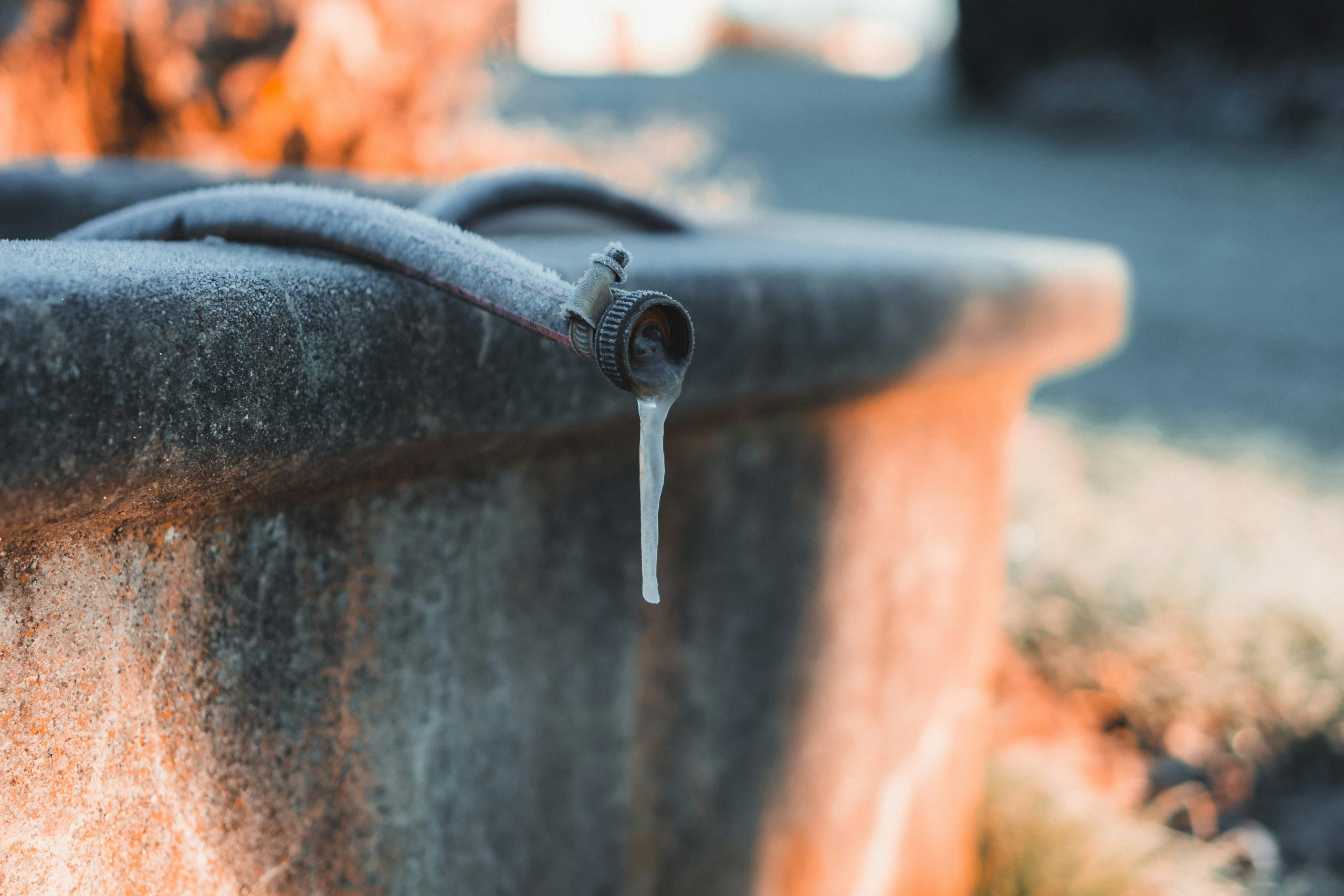
Freezing temperatures can cause water inside exposed pipes to freeze and expand, potentially cracking pipes and damaging fittings. Even in Central Texas, an overnight freeze can create problems for plumbing in unheated garages, attics, exterior walls, and outdoor faucets.
Start by disconnecting garden hoses and installing insulated covers on outdoor faucets. Check exposed pipes in unheated areas and add appropriate pipe insulation where needed. It’s also a good idea to locate your home’s main water shutoff valve now, before an emergency makes it necessary.
If a freeze is forecast, follow local guidance for protecting vulnerable plumbing. If a pipe freezes or bursts, shut off the water if you can do so safely and contact a qualified plumber. Water damage can spread into drywall, flooring, cabinets, and other finished surfaces, turning a plumbing problem into a much larger repair.
If you have exposed plumbing that needs protection or surrounding areas that need attention, Weswood Home Services can help with appropriate home maintenance and repair work.
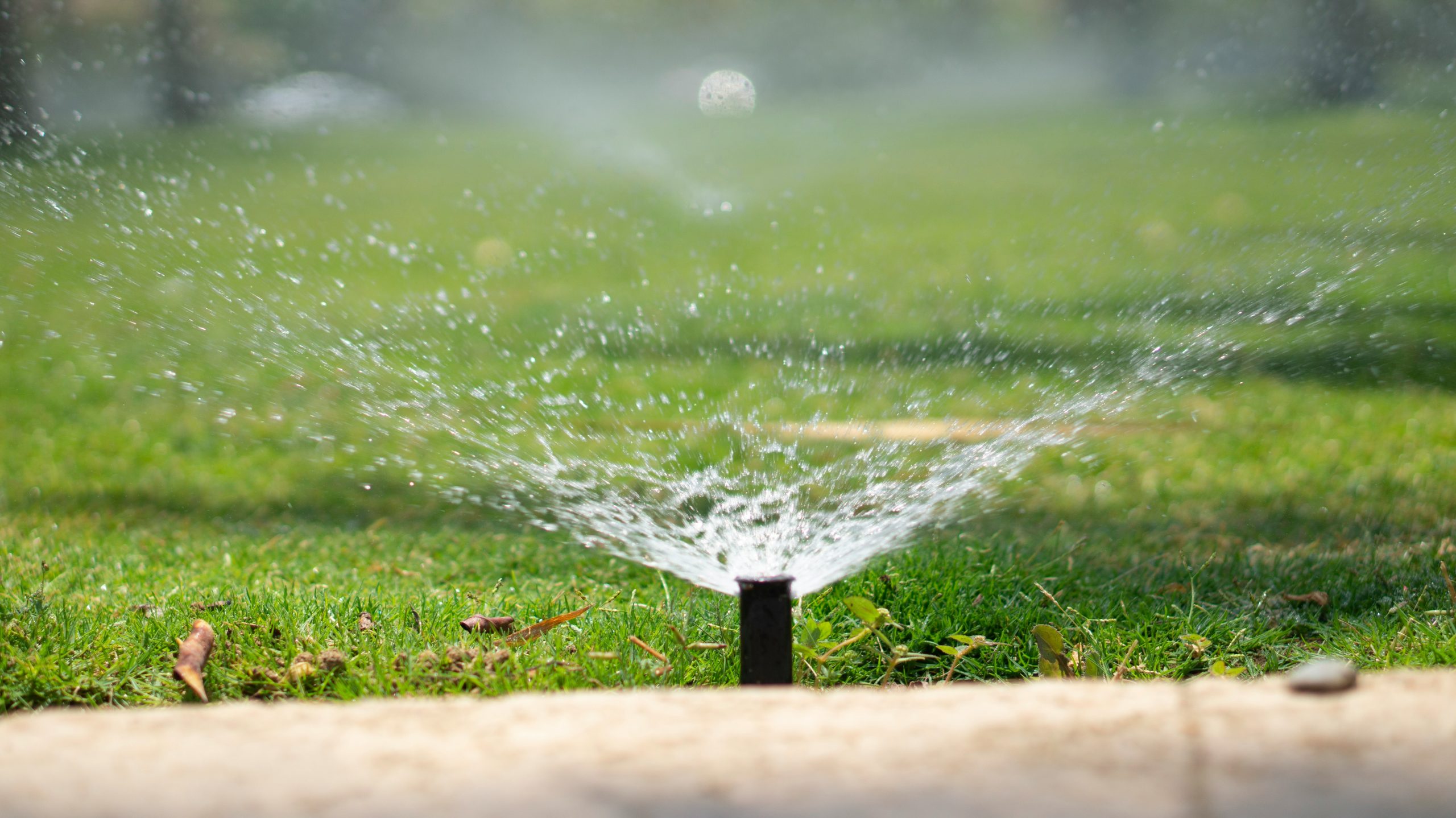
Your sprinkler system has components that may be more vulnerable to freezing than you realize. Above-ground PVC piping, backflow prevention assemblies, exposed valves, and other irrigation components can crack when water inside them freezes.
Inspect the visible components around your irrigation system for leaks, damaged fittings, or deteriorating insulation. Disconnect garden hoses, and when freezing weather is expected, follow your irrigation system manufacturer’s guidance and local recommendations for shutting off and protecting the system. In Texas, irrigation winterization commonly includes turning off the controller, isolating the water supply, and protecting exposed components. Not every system requires the same procedure.
Ignoring a vulnerable backflow preventer or exposed pipe can lead to leaks, water waste, and repairs when you need your irrigation system again in the spring. If you notice damage or aren’t sure how your system should be prepared, have it evaluated before freezing weather arrives.

The seals around your windows, exterior doors, and other openings help keep wind-driven rain and outside air from entering your home. Over time, caulking can crack or separate, while door weatherstripping can flatten, tear, or pull loose.
Walk around your home’s exterior and look for visible gaps, cracked sealant, peeling paint, or deteriorating trim. Inside, check for noticeable drafts around closed windows and doors. Replace failed weatherstripping and repair suitable exterior sealant where needed, using materials appropriate for the surface and application.
These small gaps can allow moisture to reach vulnerable building materials and make rooms less comfortable during cold weather. If water gets behind trim or into wall assemblies, the resulting damage can be more involved than simply replacing caulk.
If you find damaged trim, failed seals, or other exterior repair needs, Weswood Home Services can help address the appropriate repairs before they become more extensive.
Leaves, roof debris, and other buildup can obstruct gutters and downspouts, preventing rainwater from draining away from your home as intended. When water spills over the gutter edge or collects near the foundation, it can contribute to soil erosion, persistent dampness, and moisture problems around the house.
Clear accumulated debris where it is safe to do so, check that downspouts discharge water away from the foundation, and look for loose gutter sections or visible signs of leaks. After a rain, observe whether water is pooling against the house or following an unintended path through the yard.
Pay particular attention to low areas near the foundation and places where soil has settled. Correcting drainage problems early can help limit repeated water exposure and the repairs that may follow.
If your gutters, downspouts, or surrounding areas need attention, Weswood can help assess appropriate home maintenance and repair work.
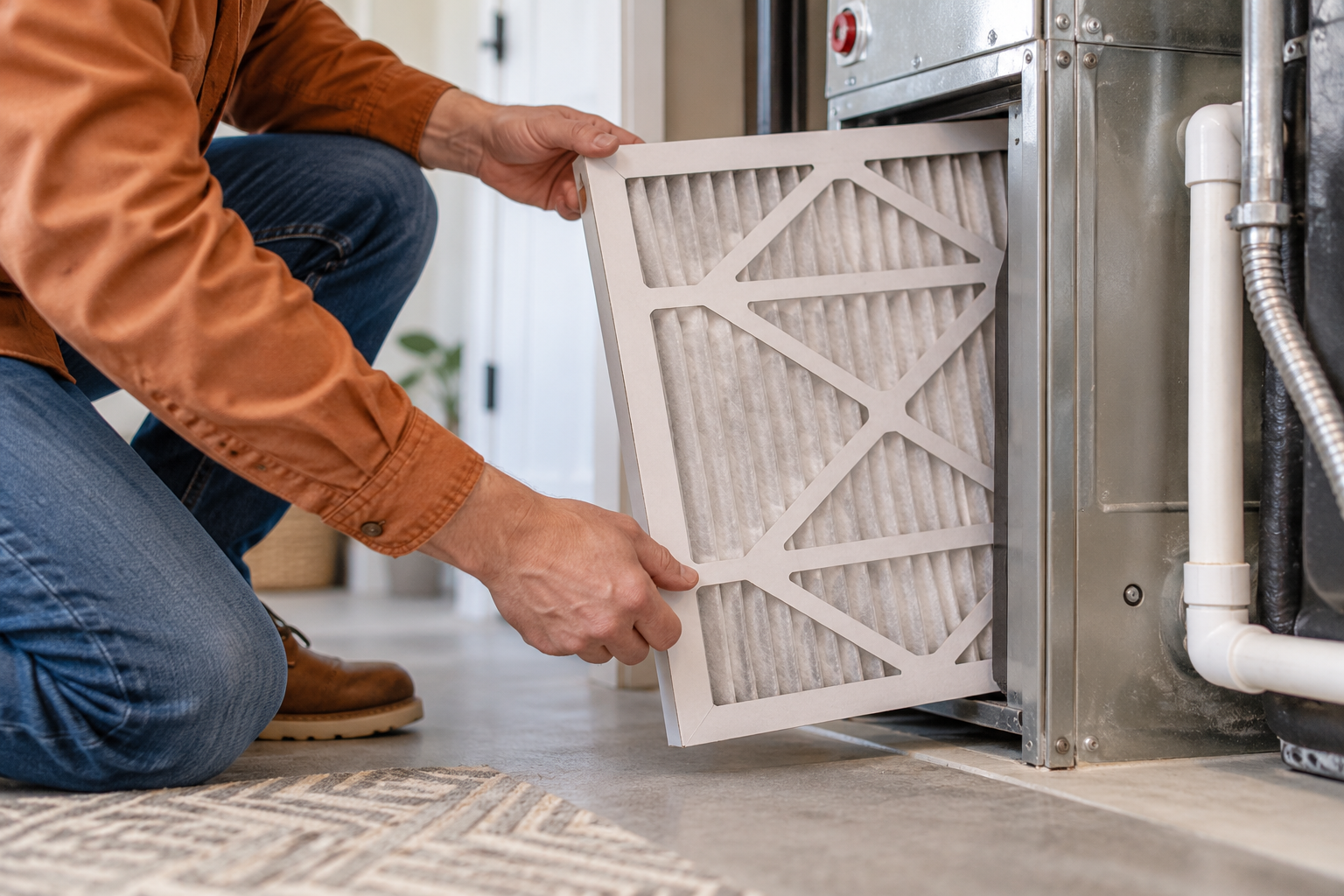
November is a good time to make sure your home is ready for the first stretch of cold weather. Before you depend on your heating system, test it according to the manufacturer’s instructions, inspect the air filter, and replace it when needed. If the system makes unusual noises, produces unusual odors, or struggles to maintain the temperature, arrange service with a qualified HVAC technician.
This is also a good time to test your smoke and carbon monoxide alarms. Check their expiration or replacement dates and follow the manufacturer’s instructions for testing and battery replacement. Replace outdated alarms as required.
A heating problem discovered during the first cold snap can leave you scrambling for service when demand is high. Malfunctioning or expired safety alarms can also leave your household without important warnings in an emergency.
A little attention before temperatures drop can make a real difference. For HVAC or alarm issues that require specialized service, contact the appropriate qualified professional; we’re always happy to provide recommendations.
Home maintenance doesn’t have to mean tackling a long list of projects all at once. Start with the items that protect your home from water damage and freezing temperatures, then work through the remaining checks as time allows. Keep an eye on local forecasts, address visible problems promptly, and seek professional help when a repair goes beyond your experience.
A little preparation in November can help you avoid unnecessary headaches when colder weather arrives.
Sorry, the comment form is closed at this time.